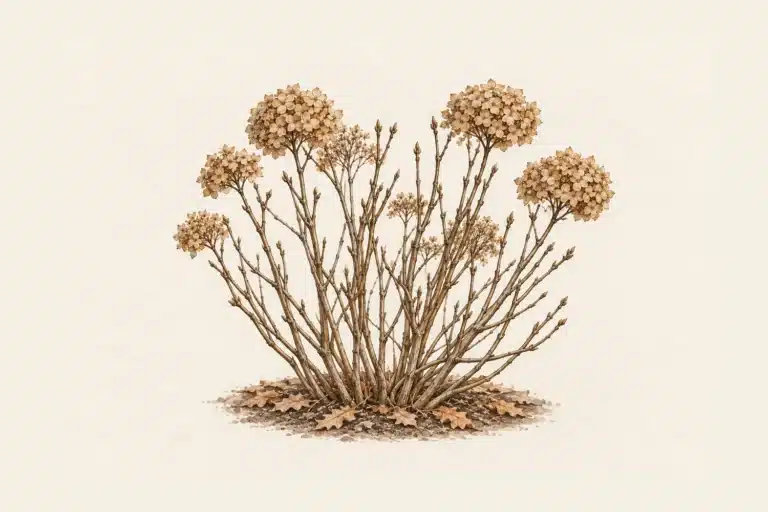
Mums care starts with checking the soil: water a dry root ball thoroughly, let it drain, and avoid adding water to an already-wet pot. Give outdoor mums sun with protection from excessive heat, remove faded flowers, and protect movable pots before a freeze. For flowers next year, confirm a locally hardy garden cultivar and give it time to establish; an unnamed fall display is an uncertain perennial.
Start here: Feel the potting mix before watering, empty trapped water, and keep the plant in a suitable light exposure. Decide separately whether you want this fall’s color or a long-term garden plant. The same immediate care does not guarantee the same winter outcome.
What should you do with a potted mum first?
- Check the root ball. Feel the potting mix beneath the foliage. If the surface feels dry, water as described below; if it is wet, check drainage first.
- Remove the drainage trap. Take off decorative foil or lift the nursery pot out of its outer container for watering. Let excess water leave the bottom, then empty any collected water before replacing it.
- Choose the location. Outdoor garden mums need sun; a plant moving from a shady sales area should adjust gradually. An indoor florist display has a different light recommendation.
These checks come before fertilizer or an automatic repot. Texas A&M AgriLife’s fall-mum guidance recommends testing the soil, ensuring drainage, adjusting plants gradually to sun, and repotting when needed.
If you are choosing a plant, look for compact, healthy foliage and plenty of unopened buds. A fully open plant has less of its display ahead of it. For a perennial garden, also ask for the cultivar name and a local hardiness recommendation; flower color, shape, and the store where it is sold do not establish winter hardiness.
How often should you water mums?
Water when the potting mix needs it, rather than every set number of days. Check frequently, including daily in warm, drying conditions. Checking daily does not mean watering daily: pot size, weather, exposure, and plant growth change how fast the mix dries.
| What you find | What to do | What to check afterward |
|---|---|---|
| The surface feels dry; the mix has not shrunk away from the pot | Water the mix at the plant’s base until the root ball is moistened and excess water leaves the drainage holes. Let it drain. | Confirm the mix actually feels moist, then check again before the next watering. |
| The mix is very dry, has pulled from the pot’s sides, and water rushes through | Water may be bypassing the root ball. Reapply water to rewet it. For a movable pot, Illinois Extension also describes allowing water to enter through the bottom holes in a sink or bucket until moisture appears at the surface; then remove and drain it. | Check the mix itself. Water coming out of the pot does not prove a shrunken root ball was wetted. |
| The mix is wet but the plant droops | Do not automatically water again. Empty standing water and make sure drainage holes are unobstructed. | Recheck moisture and whether decline continues. Wet droop alone does not identify root rot or its cause. |
| The mix is moist and the plant is holding its shape | Leave it to use the available water. | Check again as conditions change, sooner during heat or drying weather. |
The dry-mix bypass method comes from Illinois Extension’s container-watering guidance. Use it only for a confirmed dry root ball, not as a routine soak for wet or declining roots. That guidance also explains why waterlogged mix deprives roots of oxygen.

For mums planted in the ground, check the surrounding root-zone soil during dry weather and keep it moist without leaving it waterlogged. Do not copy a small porch pot’s watering frequency into a garden bed.
Do mums need sun or shade?
For outdoor garden growth, choose a site with at least six hours of direct sun and moist, well-drained soil, following Iowa State Extension’s mum guidance. Too much shade can produce sprawling growth. In warmer locations, NC State Extension recommends protection from afternoon sun.
For a fall container during hot weather, temporary shade can protect the display. AgriLife specifically advises moving pots into shade when temperatures reach 90°F (32°C) and bringing containers inside before a freeze. This protects the current display; it does not establish the plant’s winter hardiness.
For an indoor florist mum, Iowa State recommends bright light without direct sun and a cool location around 60–70°F (16–21°C). Keep its drainage open and check moisture frequently. This indoor display advice does not replace the sun requirement for a garden plant.

How do you care for buds and fading flowers?
Remove faded flower heads to tidy the plant and support the remaining display. This is deadheading. Keep the remaining buds while you do it; cutting back all the growing tips is a different task and can remove future flowers.
If a growing garden mum is not forming flowers, check whether a porch or street light interrupts its nights. Iowa State and Illinois Extension explain that mums form buds in response to long nights; late pinching and a cultivar that blooms too late for the local frost season can also limit flowering.
Do not use fertilizer as a rescue for dry or waterlogged roots. For established garden mums, Iowa State recommends slow-release fertilizer when growth begins in spring and warns that excess feeding can cause lanky growth. Penn State advises stopping fertilization after buds form. A purchased pot already in bud does not need a new feeding program simply because you brought it home.
How long do potted mums last?
Potted mums have no universal number of weeks of flower display. Unopened buds, cultivar, temperature, moisture, and an approaching freeze affect how much display remains. Keeping the plant alive is separate from keeping it in bloom; the perennial-return table below explains that distinction. Deadheading does not guarantee another full flush or year-round flowers.
Will your mums come back next year?
Some garden mums can return as perennials, but a fall-bought pot is not a promise of next year’s flowers. Common cultivated mums include complex Chrysanthemum × morifolium hybrids. “Garden,” “hardy,” and “florist” describe horticultural selections and uses; they do not identify two separate species or let you identify hardiness by appearance.
| Your plant and goal | Useful next step | Realistic expectation |
|---|---|---|
| An unnamed fall pot for this season’s color | Manage moisture, drainage, heat, and forecast freezes. Ask the grower for its identity if you want to keep it. | A useful seasonal display; perennial return remains unknown. |
| A confirmed florist mum for outdoor return in a cold-winter area | Treat it primarily as a display plant rather than assuming a garden label applies. | Iowa State reports poor winter survival and unreliable outdoor flowering for florist mums in Iowa. |
| A locally suitable hardy garden cultivar planted in fall | If planting, do it promptly in a sunny, well-drained site. Follow local Extension advice for the time remaining before winter. | Cold-region return is less reliable when roots have little establishment time, even for a hardy selection. |
| A locally suitable garden cultivar planted in spring | Give it the growing season to establish, maintain moisture, and use the local winter-care plan. | A stronger perennial strategy in Iowa and Illinois, with survival still affected by cultivar and site. |

Illinois Extension explains why spring planting improves establishment. For planting depth, Iowa State says to keep the plant at the depth it grew in its container. Neither source provides a nationwide fall deadline or a survival guarantee.
Check the named cultivar against your USDA zone and local guidance. The USDA explains that hardiness zones describe average annual extreme minimum winter temperatures. They do not account for every drainage, exposure, or establishment problem, and they do not set one planting or pruning date for the country.
When should you pinch or cut back mums?
No single cutback month applies nationwide. Pinch garden mums in spring and early summer; Iowa and Illinois advise stopping by early July. For established garden mums in cold-winter regions, this guide follows their approach of leaving old stems through winter and removing them as growth resumes in spring. Separate these three jobs:
- Deadheading: remove faded blooms from the current display.
- Pinching: remove vegetative shoot tips in spring and early summer to encourage branching. Do not pinch back the growing tips of a fall pot already carrying the buds you want to enjoy.
- Winter cutback: remove old stems according to a regional overwintering plan, not simply because flowers have faded.
For garden mums, Iowa and Illinois advise finishing pinching by early July; pinching later can delay flowering. Other regional guidance differs: NC State describes a later final cut. Use the cultivar’s local recommendation rather than applying either date to every US climate.
For cold-winter garden care, the conservative Iowa/Illinois approach is to leave old stems standing through winter and remove them when new growth resumes in spring. Penn State permits cutting back after a hard frost, so the sources do not give one universal rule. The next section follows the leave-stems approach for established cold-region garden mums.
How should you prepare mums for winter?
Established garden mums in cold-winter regions
Keep checking moisture during dry fall weather; shallow roots are vulnerable to drying. Leave the old growth standing. Once the ground freezes, apply several inches of loose straw or pine needles as protective mulch, following Iowa State’s guidance. This reduces the freeze-and-thaw swings that can lift shallow-rooted plants from the soil.
Remove winter protection as spring growth resumes, then clear the old stems. Use local conditions rather than Iowa’s calendar dates in a warmer climate; a garden where soil does not freeze needs locally appropriate advice. When established clumps become crowded, division is a spring job after new growth appears, not a fall-display rescue.
A pot you want to try keeping
For an optional carryover attempt, Penn State describes a cool, well-lighted location after flowers fade. Remove foil or other pot coverings. Water thoroughly when the mix dries 2–3 inches (5–8 cm) down, then let excess water drain. This deeper check belongs to that winter holding method, not to an actively blooming fall pot.
In spring, acclimate it outdoors gradually and protect new growth from frost before planting out. Keeping a plant alive in a pot does not prove that its cultivar will overwinter or flower reliably outdoors in your region. If your goal is a dependable perennial planting, start with a locally suitable garden selection.
What if leaves brown or the plant keeps declining?
Check soil moisture and drainage before deciding that brown leaves mean too little water. Review recent heat, freezing weather, and whether the browning affects old flowers or living foliage. A dry root ball and a wet, oxygen-poor root zone can need opposite actions.
NC State lists aphids, mites, leaf spots, wilts, and rots among possible mum problems. Inspect the plant closely; browning or drooping alone does not identify a pest or disease. If decline continues after correcting an obvious moisture or drainage problem, ask your local Cooperative Extension office for help with identification before applying a treatment. Our plant problems guide organized by symptom can help you decide what to inspect next.
Are mums toxic to cats and dogs?
Yes. ASPCA lists Chrysanthemum spp. as toxic to dogs, cats, and horses. Its listed clinical signs are vomiting, diarrhea, hypersalivation, incoordination, and dermatitis. Hypersalivation means excessive drooling.
If you suspect your pet has eaten a mum, contact your veterinarian or ASPCA Poison Control at (888) 426-4435 as soon as possible; do not wait for symptoms. A consultation fee may apply. Keep the plant out of reach. For other plants you are checking, see our plant-by-plant toxicity guide for cats and dogs.
Mums care FAQ
Can you plant mums in October?
You can plant a locally suitable garden mum in fall, but October is not an equally reliable perennial planting window everywhere. Iowa and Illinois guidance favors spring because roots have more time to establish; if planting in fall, act promptly and ask local Extension about your climate rather than counting on winter return.
Should you repot mums as soon as you buy them?
Repot only when the plant needs it, rather than automatically replacing every nursery pot. AgriLife recommends more room for a rootbound plant; first check whether the current container drains and whether the mix is actually being wetted. Repotting alone does not correct an unsuitable exposure or guarantee winter survival.
Can mums spend winter in a garage?
A garage is suitable only if its actual conditions match the winter method you are following. Penn State’s pot-carryover method needs a cool, well-lighted space with moisture checks, so a dark garage does not meet that guidance. A dormant, dark-storage method has different assumptions and should not be combined with these instructions.
Should you water mums every day?
Check a fall pot daily during warm, drying conditions, but water according to moisture rather than the calendar. If the surface feels dry, wet the root ball and drain it; if the mix is already wet, check trapped water and drainage instead. Weather and the container change how often watering is needed.
Sources
- Iowa State University Extension: Growing Chrysanthemums in Iowa — garden versus florist mums, planting, pinching, indoor display, and cold-region winter care.
- Illinois Extension: How to grow and care for fall mums in your garden — establishment, winter heaving, and flowering.
- Illinois Extension: Watering container gardens — moisture checks, waterlogging, and rewetting shrunken potting mix.
- Texas A&M AgriLife: How to choose and care for fall mums — buds, heat, drainage, and conditional repotting.
- Penn State Extension: Chrysanthemum Care — feeding and the cool, well-lighted winter pot method.
- NC State Extension: Chrysanthemum × morifolium — identity, warm-location afternoon protection, and possible plant problems.
- USDA: How to use the plant hardiness maps — the meaning and limits of a zone rating.
- ASPCA: Chrysanthemum — animal toxicity and professional-contact guidance.